Why Solvency Statements Matter: Governance, Insolvent Trading Risk and Director Protection
Solvency statements are not just annual paperwork. For Australian directors, they are governance decisions that can later be tested against what the company knew, what the directors reviewed, and what evidence existed at the time. That distinction matters whenever a business later enters administ...
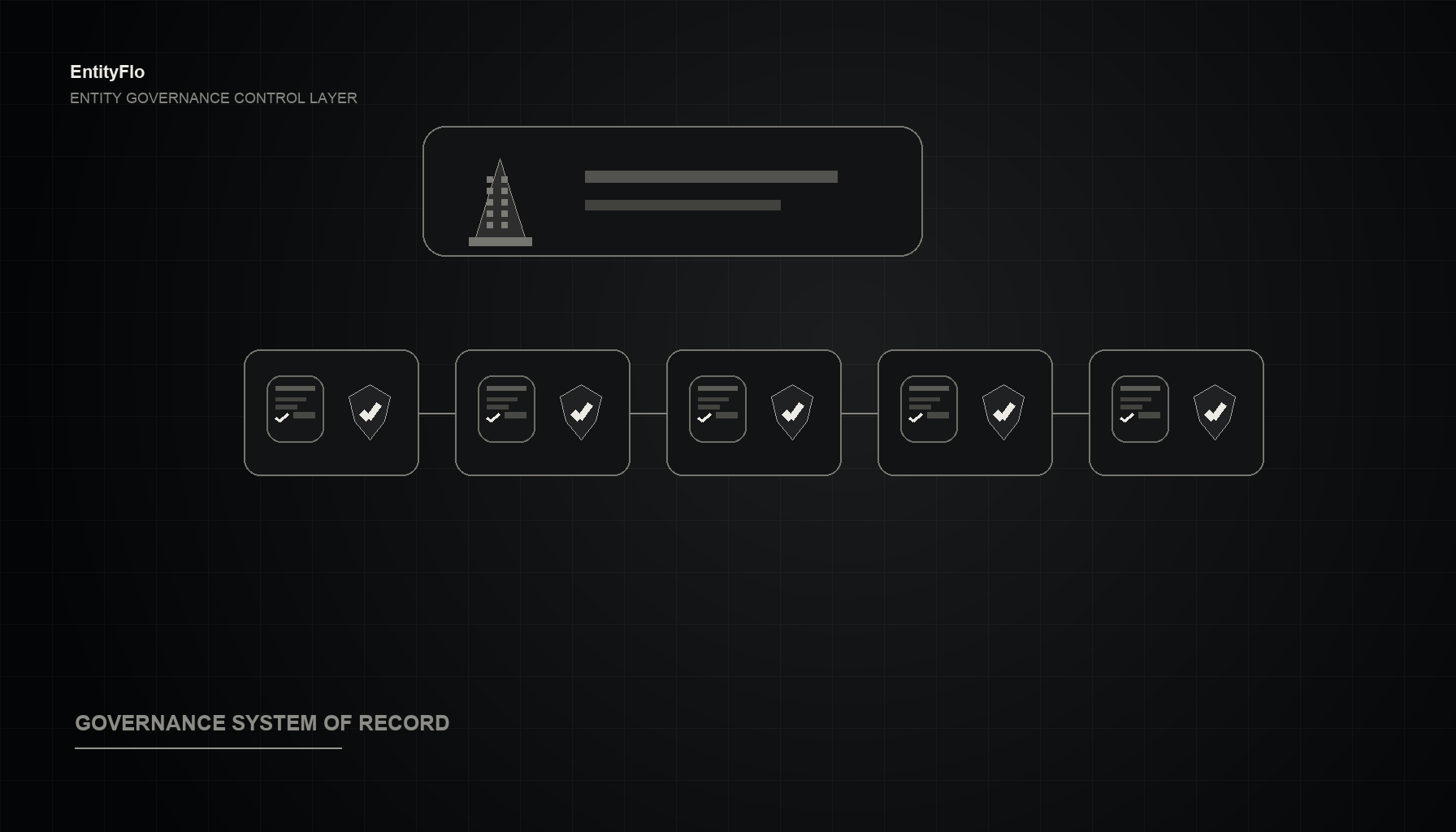
Solvency statements are not just annual paperwork. For Australian directors, they are governance decisions that can later be tested against what the company knew, what the directors reviewed, and what evidence existed at the time.
That distinction matters whenever a business later enters administration, faces creditor pressure, or becomes the subject of reported insolvent trading questions. The issue is not simply whether a document was signed. The issue is whether the organisation can show the basis for the decision.
Recent media reporting about an Australian caravan manufacturer in administration, including reported debts and an alleged insolvent trading probe, is a timely reminder. This article does not make any legal conclusion about that matter. The broader governance lesson is simple: solvency-related decisions need more than a template. They need a defensible evidence trail.
This article is general information only and is not legal advice.
What Is a Solvency Statement?
In an Australian company context, solvency generally turns on whether the company can pay its debts as and when they become due and payable. A solvency statement or solvency resolution is a formal expression of directors' view about the company's ability to meet that test at the relevant time.
For many companies, solvency comes up during the ASIC annual review process. ASIC guidance says directors must pass a solvency resolution within two months of the annual review date unless the company has lodged a financial report with ASIC in the previous 12 months.
That requirement can look routine. It often appears beside other administrative steps: pay the annual review fee, check company details, update records if needed, and store the annual statement.
But solvency is not the same kind of task as paying an invoice. It asks directors to form a view about the company's financial position. That view should be grounded in current information, reasonable assumptions and a record of what was reviewed.
Why Solvency Is a Governance Decision, Not an Accounting Tick-Box
The mistake is treating solvency as a form to complete after finance has done the accounts.
Finance information matters, but solvency is broader than a spreadsheet balance. Directors may need to consider cash flow, current and contingent liabilities, trading conditions, funding availability, creditor pressure, tax obligations, customer concentration, debt facilities, known disputes, board decisions and forward-looking assumptions.
The governance question is:
Can the company prove what the directors relied on when they formed their view?
That proof can become important later. If the company continues trading and later enters administration, questions may be asked about when financial distress became apparent, what directors knew, what they should reasonably have known, and what actions were taken.
Strong governance does not guarantee a business avoids failure. Businesses fail for many reasons. But strong governance can help show that directors took their responsibilities seriously, reviewed relevant information and made decisions through a controlled process.
What Directors Need Before Approving Solvency-Related Decisions
Before directors approve a solvency statement or related decision, the company should be able to assemble a practical evidence pack.
That evidence pack will vary depending on the business, but it often includes:
- Current management accounts
- Cash flow forecast
- Aged payables and receivables
- Loan, facility and covenant information
- Tax and superannuation obligations
- Known creditor claims or disputes
- Board papers or finance reports
- Material assumptions behind forecasts
- Any external accountant, adviser or auditor input
- Prior board decisions affecting cash flow
- Evidence of director review and approval
The point is not to create paperwork for its own sake. The point is to make sure the directors' decision is connected to the information that supported it.
If the decision is approved by circulating resolution, the record should show the version approved, who approved it, when they approved it, and where the supporting information was stored.
If the decision is made in a meeting, the minutes should capture the key materials reviewed and the basis of the directors' view without pretending to be a legal opinion.
The Evidence Checklist for Solvency Governance
A sound solvency governance process should answer seven questions.
1. What Information Was Reviewed?
The company should be able to identify the financial and operational information directors reviewed.
This may include management accounts, cash flow forecasts, creditor reports, debt facility details, tax positions, trading updates and any material risks affecting the company's ability to pay debts when due.
A vague record that says "the directors considered solvency" is weaker than a record that identifies the specific papers, reports or data reviewed.
2. Was the Information Current?
Solvency decisions are time-sensitive. A forecast prepared weeks earlier may no longer reflect the current position if sales have dropped, funding has changed, a major customer has delayed payment, or new liabilities have emerged.
Governance teams should record the date of the source information and whether any material updates were considered before approval.
3. What Assumptions Were Relied On?
Many solvency decisions involve assumptions: revenue timing, debtor collections, creditor payment plans, refinancing, capital raises, cost reductions, asset sales or parent-company support.
Those assumptions should be visible. If the company relies on a cash flow forecast, directors should be able to see the key assumptions behind it.
4. Who Reviewed and Approved the Decision?
The approval trail matters.
For each solvency-related decision, the company should know:
- Which directors reviewed the materials
- Whether any director asked questions
- Whether further information was requested
- Who approved the resolution
- When approval was given
- Whether the decision was unanimous or conditional
In a multi-entity group, this matters even more because different entities may have different boards, different financial positions and different obligations.
5. Where Is the Supporting Evidence Stored?
The evidence should not live only in an inbox.
If documents are scattered across email, shared drives, finance folders, board portals and external adviser systems, the company may struggle to reconstruct the decision later.
A governance system of record should link the solvency decision to the relevant entity, review year, documents, approvals and supporting evidence.
6. Was the Position Revisited?
Solvency is not always a once-a-year question. If circumstances change materially, directors may need to revisit the company's position.
The governance record should show when new information came in, what action was taken and whether the board or directors reconsidered any prior assumptions.
7. What Follow-Up Actions Were Required?
A solvency review may reveal follow-up work: update forecasts, seek advice, resolve creditor issues, correct ASIC details, update registers, escalate risk, hold another board meeting or prepare a contingency plan.
Those actions should have owners and due dates. Otherwise, the solvency discussion becomes a point-in-time record with no operational follow-through.
How Weak Records Increase Risk Later
When a business is healthy, poor recordkeeping feels like an inconvenience.
When a business later enters administration, poor recordkeeping can become a serious problem.
If directors are asked what they knew at a particular time, the organisation needs to reconstruct the decision environment. That is hard if the evidence sits across old email threads, missing attachments, adviser portals, unsigned minutes and spreadsheets with no clear owner.
Weak records can create avoidable uncertainty:
- Which accounts were directors looking at?
- Was the cash flow forecast final or draft?
- Were major liabilities included?
- Did directors see the creditor position?
- Was a financing assumption documented?
- Was the resolution passed by the right people?
- Was the signed version stored?
- Did anyone revisit the position after trading changed?
The lesson is not that governance records remove all risk. They do not. The lesson is that weak records can make a hard situation harder to explain.
Why This Matters Across Multi-Entity Groups
Solvency governance becomes more complex across a group.
A group may manage trading companies, holding companies, trustee companies, SPVs, dormant entities and legacy subsidiaries. Each entity may have different directors, different financial activity, different annual review dates and different evidence requirements.
Common failure points include:
- Annual review dates tracked in a spreadsheet with no owner
- Solvency resolutions prepared in bulk without entity-specific review
- Finance records not linked to the legal entity record
- Board approvals saved separately from supporting evidence
- Dormant entities assumed to be low-risk but never reviewed properly
- Director changes not reflected consistently across ASIC, registers and board records
- External advisers holding key evidence outside the company system
For CFOs, General Counsel and Company Secretaries, the operational challenge is not just preparing a document. It is maintaining a reliable record across every entity, every decision and every evidence item.
How EntityFlo Helps
EntityFlo is built around a simple idea: governance decisions need a system of record.
For solvency-related work, that means helping companies keep the decision, entity record, supporting documents, approvals and obligations connected in one place.
EntityFlo helps governance teams manage:
- Entity records and annual review status
- Director and officeholder information
- Board and circulating resolutions
- Evidence linked to the relevant entity and decision
- Governance documents and version history
- Approval workflows and audit trails
- Registers, obligations and follow-up actions
- Exception reporting across a multi-entity group
The goal is not to replace director judgment or professional advice. It is to reduce the operational risk that important decisions are made, approved or stored in a way that becomes difficult to prove later.
Sound governance protects the company, but it also protects directors by making the decision process visible.
Practical Solvency Governance Checklist
Use this checklist before approving or storing a solvency-related decision.
- Confirm the entity and review period.
- Confirm whether a solvency resolution or statement is required.
- Gather current financial information.
- Identify material liabilities, creditor issues and cash flow assumptions.
- Record the documents directors reviewed.
- Capture questions, clarifications or additional information requested.
- Confirm who approved the decision and when.
- Store the final signed resolution or minutes.
- Link supporting evidence to the entity record.
- Create follow-up actions for any risks, updates or further reviews.
The strongest governance process is not the one with the longest checklist. It is the one that can clearly show what happened, why it happened, who approved it and where the evidence sits.
FAQ
What is a solvency statement in Australia?
A solvency statement or solvency resolution records directors' view about whether a company can pay its debts as and when they become due and payable. In the ASIC annual review context, directors generally need to pass a solvency resolution within two months of the annual review date unless the company has lodged a financial report with ASIC in the past 12 months.
Is a solvency resolution just an ASIC compliance task?
No. While it may be part of an ASIC annual review workflow, the underlying decision is a director governance matter. Directors should have a reasonable basis for the view they form and the company should keep evidence of what was reviewed.
What evidence should directors review before approving solvency?
Relevant evidence may include management accounts, cash flow forecasts, creditor and debtor reports, tax obligations, loan facility information, known disputes, board papers, adviser input and the assumptions behind any forecasts. The right evidence depends on the company and its circumstances.
Why do solvency records matter if the company later enters administration?
If a company later enters administration, questions may be asked about what directors knew, what information they reviewed and whether they had a reasonable basis for decisions made at the time. Clear records can help reconstruct the decision process.
How can software help with solvency governance?
Software can help by linking the solvency decision to the relevant entity, annual review, supporting documents, approvals, minutes, registers and follow-up actions. That creates a clearer governance record than relying on spreadsheets, email threads and shared folders.
Does EntityFlo provide legal advice on solvency?
No. EntityFlo is governance and entity management software. It helps teams maintain structured records, workflows and evidence trails. Companies should seek appropriate legal, accounting or insolvency advice for specific solvency questions.
Book a Demo
See how EntityFlo helps companies keep director decisions, solvency evidence and governance records audit-ready across every entity in the group.
We use cookies to improve your experience. Essential cookies are always active.