How Family Offices Can Simplify Trust, Company & SMSF Management Across Complex Structures
Family offices manage some of Australia's most complex entity structures. Learn how to simplify trust, company, and SMSF management across multi-generational portfolios.
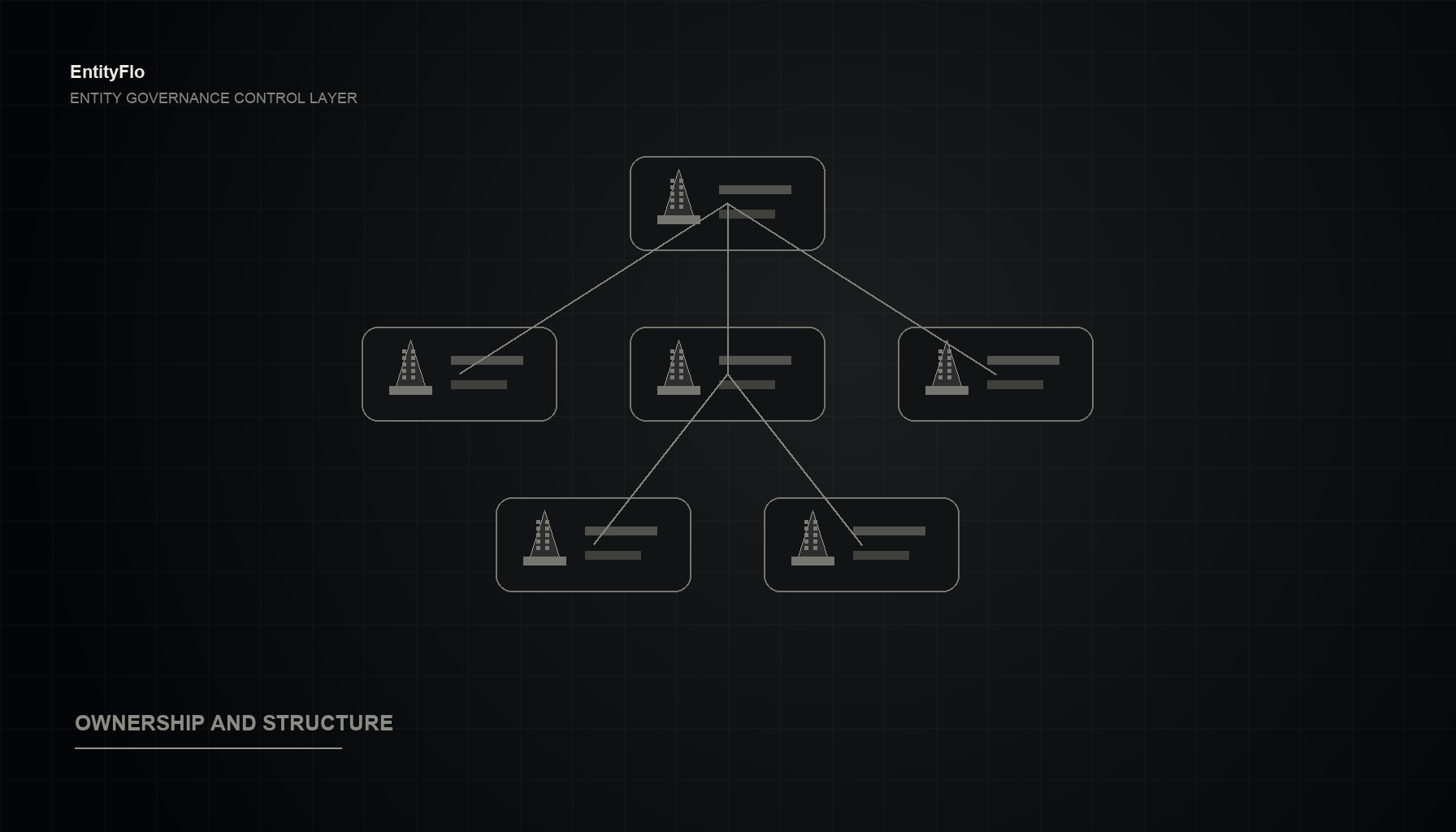
Family offices manage some of the most complex entity structures in Australia. A typical family group might include discretionary trusts, unit trusts, trading companies, holding companies, self-managed superannuation funds, and property SPVs — often spanning three generations and multiple jurisdictions.
Yet the tools used to manage these structures are often shockingly basic. Spreadsheets. Shared drives. Email chains. Paper files in a partner's office.
The result is a governance gap that grows wider as the family's wealth and complexity increase.
The Complexity Challenge
A family office with $50 million in assets might easily have 15 to 30 entities. A larger office with $200 million or more could have 50 to 100. Each entity has its own directors, shareholders or unitholders, registered addresses, compliance obligations, banking relationships, and document requirements.
The interactions between these entities add another layer of complexity. Trusts hold shares in companies. Companies are shareholders in other companies. Individuals serve as directors across multiple entities. Loans flow between related parties. Distributions cascade through tiered trust structures.
Managing all of this requires more than record-keeping. It requires a system that understands relationships.
Why Generic Tools Fail Family Offices
Family offices have tried various approaches. Accounting software handles the financial side but does not track corporate governance. Legal practice management systems are designed for law firms, not internal governance teams. CRM platforms track relationships but not entity structures.
And spreadsheets — the most common tool — cannot model the hierarchical, interconnected nature of family entity structures. They cannot trace ownership chains through trust deeds. They cannot calculate beneficial ownership across multiple tiers.
What Family Offices Actually Need
Unified Entity Register
Every entity — trust, company, SMSF, partnership — in one place. Not just a list, but a structured register with all the details that matter: entity type, jurisdiction, key dates, status, and the people and organisations connected to each entity.
This register needs to handle the nuances of Australian entity types. Discretionary trusts have appointors, guardians, and beneficiary classes. Unit trusts have unitholders with specific entitlements. SMSFs have member-trustees or corporate trustees with their own compliance requirements.
Visual Ownership Mapping
Family structures are inherently visual. The relationships between entities, the flow of ownership, and the position of individuals in the structure are best understood through interactive charts rather than flat tables.
A good ownership map lets you see the entire family structure at a glance, drill into any entity for detail, and trace ownership chains to identify beneficial owners.
Trust-Specific Governance
Trusts have unique governance requirements that generic entity management tools do not address. Trust deeds define the powers of trustees, the classes of beneficiaries, and the rules for distributions. Vesting dates create hard deadlines that, if missed, can have catastrophic tax consequences.
Cross-Entity Compliance Monitoring
When a family member serves as a director of five entities, a trustee of three trusts, and a member of two SMSFs, a change in their personal details triggers compliance obligations across all of those entities. Without a system that understands these cross-entity relationships, updates get missed.
Succession and Continuity Planning
Family offices think generationally. The entity structures are designed to preserve and transfer wealth across decades. The governance system must support continuity — capturing institutional knowledge, maintaining complete historical records, and making it easy for the next generation to step in and understand the full picture.
Getting Started
If your family office is currently managing entities across spreadsheets and shared drives, the transition to a purpose-built platform does not need to be overwhelming. Start by centralising your entity register. Then map your ownership structure visually. Then layer on compliance monitoring.
EntityFlo is built for exactly this kind of complexity. Our Entity 360 gives you a complete view of every entity. The Ownership Map visualises your entire family structure. And Compliance AI ensures nothing falls through the cracks.
Your family's wealth is built on solid structures. Make sure your governance matches.
Nathan Carroll is the founder and CEO of [EntityFlo](https://entityflo.com). With multiple successful exits and experience scaling SaaS companies globally, Nathan is building the future of corporate governance for Australian businesses. [Connect on LinkedIn](https://linkedin.com/in/nathan-carroll-32b98231).