UBO Transparency: What Australian Businesses Need to Know About Beneficial Ownership
Ultimate Beneficial Owner (UBO) requirements are tightening globally. Here's what Australian businesses need to understand about ownership transparency.
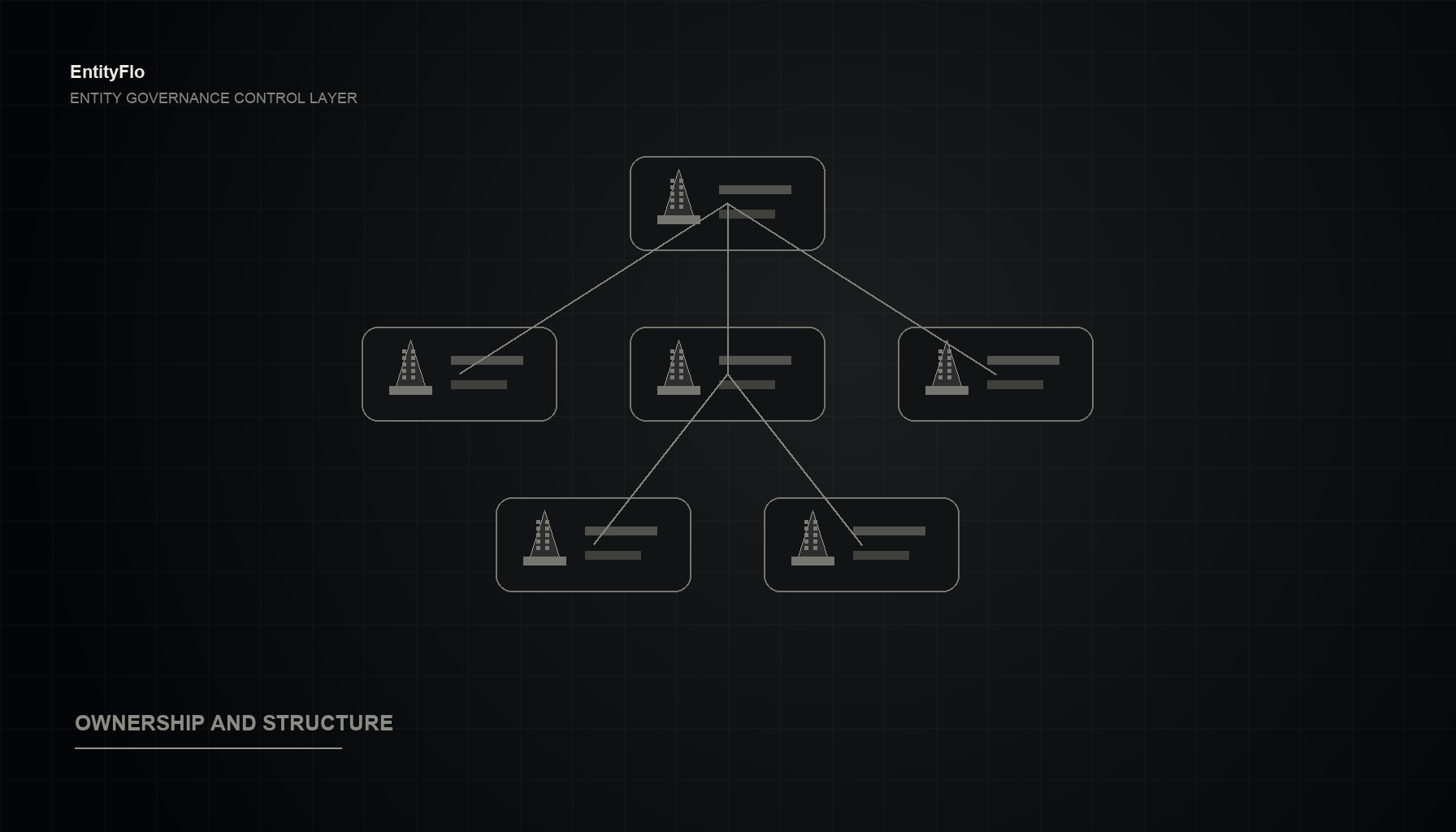
Governments worldwide are implementing stricter beneficial ownership disclosure requirements. Australia is no exception — with increasing pressure from international standards bodies, anti-money laundering regulations, and the financial services sector demanding clearer visibility into who ultimately controls corporate entities.
What is a UBO?
An Ultimate Beneficial Owner is the natural person who ultimately owns or controls a legal entity. While a company might be owned by another company, which is owned by a trust, which is controlled by yet another entity — eventually, natural persons sit at the top of the chain.
Identifying UBOs requires careful ownership analysis to trace shareholdings through multiple layers. Control assessment helps understand voting rights, board appointments, and veto powers. Threshold calculations typically classify individuals with 25% or more ownership or control as UBOs.
Why UBO Transparency Matters
For financial institutions, banks and lenders are required to identify UBOs before onboarding corporate customers. Failure to do so risks regulatory penalties and reputational damage.
For corporate groups, investors, partners, and regulators increasingly demand ownership transparency. Unclear structures create friction in transactions and due diligence.
For governance professionals, maintaining accurate UBO records requires ongoing effort as ownership structures change.
Common Challenges
Complex structures present the first major hurdle. Multi-layered holding companies, trusts, and foreign entities make UBO identification difficult. Manual processes that rely on spreadsheets and document folders cannot keep pace with structural changes. Verification gaps occur when UBO information is collected but not verified against reliable sources. Regulatory variations across different jurisdictions mean different thresholds and requirements apply.
Preparing for Enhanced Disclosure
Australian businesses should expect UBO disclosure requirements to tighten. The steps to prepare include documenting your current ownership structure with visual clarity, identifying all natural persons with significant ownership or control, establishing processes to update UBO records when changes occur, and considering technology that automates UBO identification and monitoring.
The Technology Solution
Modern entity management platforms can automatically calculate beneficial ownership through complex structures. They maintain audit trails of ownership changes over time. They flag when UBO thresholds are crossed due to transactions. They generate reports suitable for regulatory and banking due diligence.
EntityFlo provides comprehensive UBO tracking and verification capabilities. Our platform traces ownership through unlimited layers and calculates beneficial ownership percentages automatically.
Nathan Carroll is the founder and CEO of [EntityFlo](https://entityflo.com). With multiple successful exits and experience scaling SaaS companies globally, Nathan is building the future of corporate governance for Australian businesses. [Connect on LinkedIn](https://linkedin.com/in/nathan-carroll-32b98231).