Blind Trusts in Australia: The Hidden Risk Inside Your Entity Structure
Blind trusts in Australia can create hidden risk across ownership, compliance, and control. Here's how to structure entities for full 360° visibility.
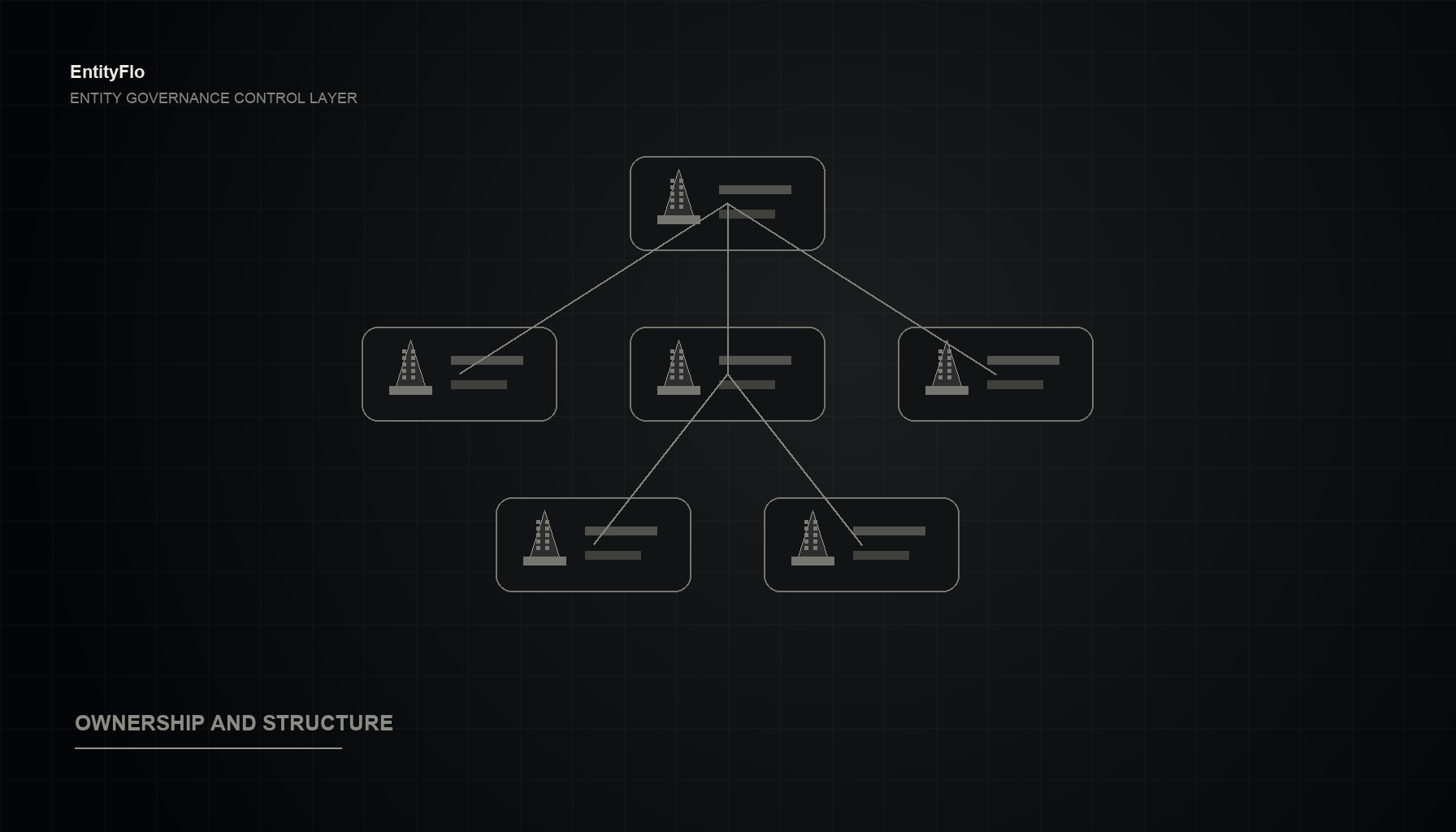
Blind trusts are often viewed as sophisticated wealth or governance tools.
In Australia, they're commonly used for:
- Asset protection
- Conflict-of-interest mitigation
- Political or executive separation
- Family wealth structuring
- Complex corporate layering
But what most founders, directors, and investors don't realise is this:
Blind trust structures can create operational blind spots.
And those blind spots introduce risk.
What Is a Blind Trust in Australia?
A blind trust is a trust arrangement where the beneficiaries have no knowledge of how assets are managed or structured.
In Australia, this typically involves:
- A trustee controlling assets
- Beneficiaries with limited visibility
- Discretionary or unit trust layering
- Corporate trustees acting on behalf of holding entities
On paper, this protects independence and confidentiality.
In practice, it can obscure risk.
The Hidden Risks Inside Blind Trust Structures
1. Beneficial Ownership Complexity
Australia has increasing scrutiny around beneficial ownership transparency.
Layered trusts + corporate trustees + holding companies can make it difficult to clearly map:
- Who ultimately controls assets
- Who carries liability
- Where tax obligations sit
- Who must report under regulatory frameworks
When regulators, banks, or investors request disclosure, unclear structures slow everything down.
2. Cross-Entity Liability Exposure
Blind trusts often sit inside larger entity structures:
- Operating companies
- IP holding companies
- Family trusts
- Investment vehicles
- Joint ventures
Without a structured entity map, you may unintentionally:
- Expose operating entities to trust liabilities
- Blur asset protection boundaries
- Create director risk
- Complicate insolvency analysis
Hidden structural dependencies are where major exposure lives.
3. Director & Trustee Risk
In Australia, directors and trustees carry serious fiduciary duties.
When trust structures are opaque, it becomes difficult to assess:
- Conflict-of-interest exposure
- Related party transactions
- Flow of distributions
- Corporate governance gaps
Blind trusts reduce visibility — but they don't reduce responsibility.
4. Banking & Investor Friction
Banks and institutional investors now demand:
- Clear beneficial ownership records
- Transparent entity charts
- Compliance documentation
- AML/CTF clarity
Complex blind trust layering often triggers enhanced due diligence.
If your entity structure isn't clearly documented and mapped, onboarding slows — or fails.
The Core Problem: No 360° Entity Visibility
Most blind trust risk doesn't come from the trust itself.
It comes from the lack of a full structural overview.
Many Australian founders and high-net-worth operators have:
- Multiple trusts
- Corporate trustees
- Holding companies
- Operating entities
- Investment SPVs
But no single source of truth showing how they interconnect.
That's where risk hides.
How to Build a 360° Entity View Around Blind Trust Structures
A modern entity structure should provide:
1. Complete Entity Mapping
Every trust, company, trustee, director, and beneficiary mapped visually.
2. Control & Ownership Clarity
Clear delineation between:
- Legal ownership
- Beneficial ownership
- Operational control
3. Liability Segmentation
Defined boundaries between:
- Asset-holding entities
- Trading entities
- Trust-controlled investments
4. Compliance Tracking
Centralised monitoring of:
- ASIC obligations
- Annual statements
- Trustee reporting
- Director changes
5. Real-Time Structural Awareness
When ownership, trustees, or directors change, your entity overview updates.
No blind spots.
Why Australian Structures Are Becoming Higher Risk
Regulatory scrutiny is increasing across:
- Anti-money laundering frameworks
- Beneficial ownership reporting
- Director ID requirements
- Cross-border asset movement
- Financial institution due diligence
Opaque structures are no longer neutral.
They're red flags.
Entity Structure Isn't About Privacy — It's About Control
Blind trusts were designed to separate knowledge and control.
But in a modern regulatory environment, founders need:
- Strategic privacy
- Structural clarity
- Risk segmentation
- Compliance readiness
You can preserve discretion without sacrificing visibility.
But only if your entity infrastructure is deliberate.
How EntityFlo Supports 360° Entity Oversight
EntityFlo enables Australian founders and operators to:
- Map complex trust + company structures
- Maintain real-time entity visibility
- Monitor compliance across all entities
- Centralise documentation
- Reduce structural blind spots
Because in 2026, not knowing your own structure is the real risk.
Final Thoughts
Blind trusts in Australia are not inherently dangerous.
But unmanaged complexity is.
If you cannot clearly explain:
- Who controls what
- Where liability sits
- How entities interconnect
- What reporting obligations exist
Then you don't have a structure.
You have exposure.
Nathan Carroll is the founder and CEO of [EntityFlo](https://entityflo.com). With multiple successful exits and experience scaling SaaS companies globally, Nathan is building the future of corporate governance for Australian businesses. [Connect on LinkedIn](https://linkedin.com/in/nathan-carroll-32b98231).