What Australia's Upcoming Beneficial Ownership Register Means for Your Business (And How to Prepare)
Australia is moving towards mandatory beneficial ownership transparency. Learn what the upcoming register means for your business and the five steps to prepare now.
Australia is moving towards mandatory beneficial ownership transparency. The federal government has signalled its intent to establish a public register of beneficial owners — a move that will fundamentally change how Australian businesses report their ownership structures.
For corporate groups, family offices, and professional services firms managing complex entity portfolios, this is not a distant regulatory hypothetical. It is an operational reality that requires preparation now.
What Is the Beneficial Ownership Register?
A beneficial ownership register is a centralised, government-maintained database that records the natural persons who ultimately own or control Australian entities. Unlike the current ASIC register, which only shows legal (direct) shareholders, a beneficial ownership register traces through layers of corporate ownership to identify the real people behind the structure.
This aligns Australia with international standards set by the Financial Action Task Force (FATF) and mirrors registers already operational in the UK, EU, and New Zealand.
Why Is Australia Introducing This?
Australia has faced increasing pressure from international bodies to improve corporate transparency. The 2023 FATF Mutual Evaluation highlighted gaps in Australia's beneficial ownership framework, particularly around trusts and nominee arrangements.
The register aims to combat money laundering, tax evasion, sanctions avoidance, and terrorism financing by making ownership structures visible to regulators and, potentially, the public.
What Entities Will Be Affected?
Based on proposed legislation and international precedents, the following entity types are expected to be captured:
- Proprietary limited companies
- Public companies
- Foreign companies registered in Australia (ARBN holders)
- Potentially trusts, partnerships, and managed investment schemes in later phases
The 25% Threshold
Most beneficial ownership regimes use a 25% ownership or control threshold. Any natural person who directly or indirectly holds 25% or more of shares, voting rights, or the right to appoint or remove directors will need to be identified and reported.
However, control can extend beyond share ownership. Persons who exercise significant influence through contractual arrangements, trust deeds, or informal agreements may also be captured.
What Information Will Need to Be Reported?
Expect to report the following for each beneficial owner:
- Full legal name
- Date of birth
- Residential address
- Nationality
- The nature and extent of their beneficial interest
- The date they became a beneficial owner
This information will need to be kept current. Changes in beneficial ownership will likely need to be reported within 14 to 28 days.
The Challenge for Complex Structures
For businesses with simple, flat ownership structures, compliance will be relatively straightforward. But for corporate groups with multiple tiers of holding companies, trusts with corporate trustees, nominee arrangements, and cross-holdings, identifying and maintaining accurate beneficial ownership data will be significantly more complex.
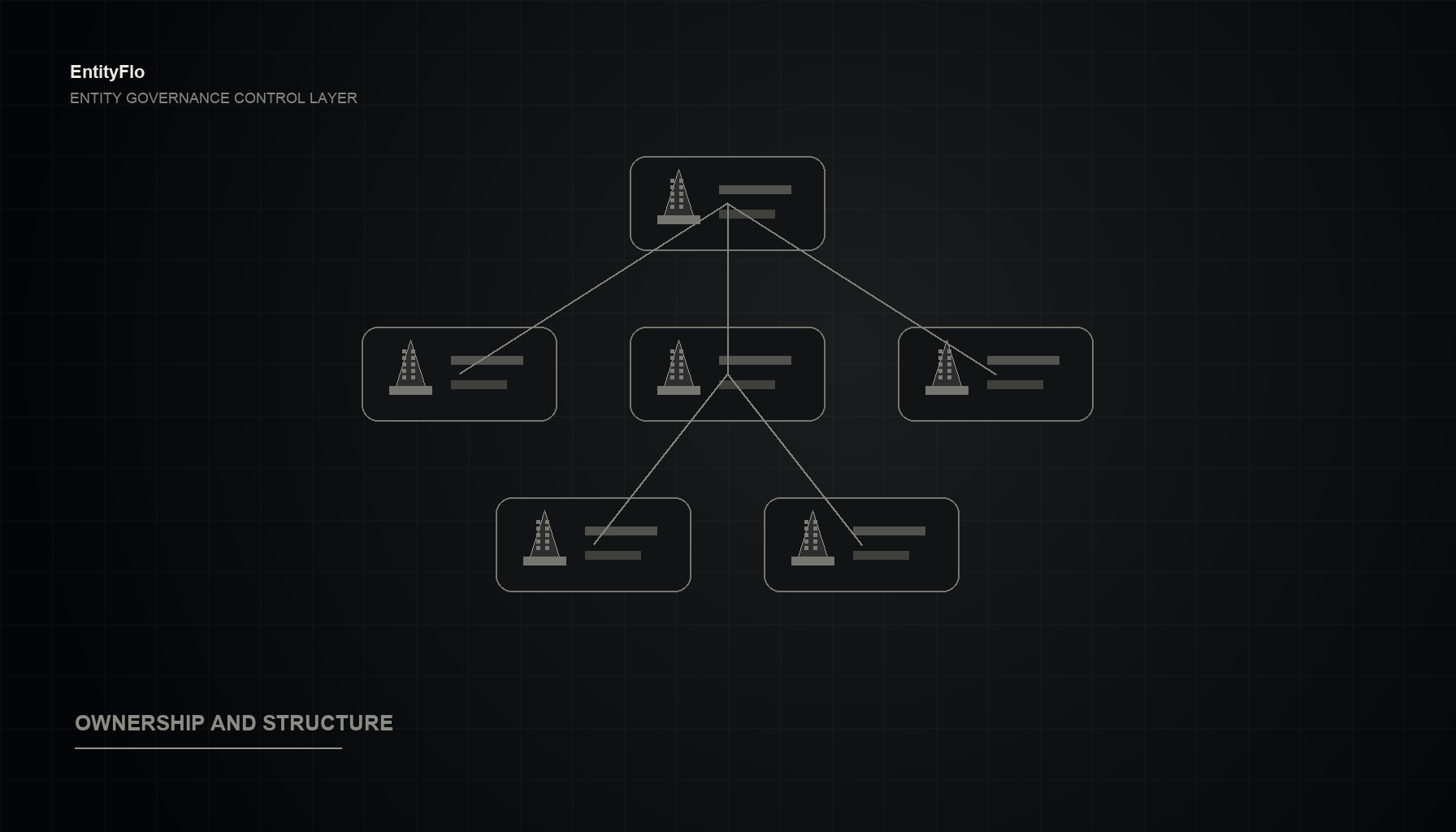
Consider a typical family office structure: a discretionary trust holds shares in a holding company, which owns subsidiaries, each with their own shareholders. Tracing beneficial ownership through these layers — and keeping it accurate as changes occur — requires robust systems and processes.
How to Prepare Now
Even though the register is not yet live, smart businesses are preparing today. Here is what you should be doing.
1. Map your current ownership structures. Document every entity, every shareholding, every trust relationship. Identify where ownership chains cross the 25% threshold.
2. Identify your beneficial owners. Trace through every layer of ownership to find the natural persons at the end of every chain. Do not forget about control through trust deeds, shareholder agreements, and board appointment rights.
3. Collect and verify identity information. You will need verified personal details for every beneficial owner. Start collecting this now rather than scrambling when the register goes live.
4. Implement systems for ongoing monitoring. Beneficial ownership is not static. Shares are transferred, directors change, trusts distribute. You need systems that flag when ownership changes occur and trigger reporting updates.
5. Centralise your entity data. If your entity information is scattered across spreadsheets, shared drives, and filing cabinets, you will not be able to comply efficiently. Centralise everything into a single source of truth.
The Cost of Waiting
Organisations that wait until the legislation is enacted will face a compressed timeline to audit their structures, collect missing data, and implement reporting processes. Those that prepare now will transition smoothly and avoid the compliance bottleneck.
How EntityFlo Helps
EntityFlo's Ownership Map automatically traces ownership chains across your entire entity portfolio, calculating direct and indirect beneficial ownership percentages. When the register goes live, you will already have your UBO data mapped, verified, and ready to report.
Combined with Entity 360 for centralised entity data and Compliance AI for automated deadline tracking, EntityFlo gives you the infrastructure to meet beneficial ownership obligations without the manual overhead.
Start preparing today. The register is coming — the only question is whether you will be ready.
Nathan Carroll is the founder and CEO of [EntityFlo](https://entityflo.com). With multiple successful exits and experience scaling SaaS companies globally, Nathan is building the future of corporate governance for Australian businesses. [Connect on LinkedIn](https://linkedin.com/in/nathan-carroll-32b98231).